.png)
sdg cell
Introduction
The Sustainable Development Goals (SDG) Cell of M S Ramaiah College of Arts, Science and Commerce (MSRCASC) was established to promote awareness, action, and accountability towards the United Nations Sustainable Development Goals (SDGs). The SDG Cell serves as a dedicated institutional platform to integrate sustainability principles into academics, research, extension activities, and campus practices, in alignment with national priorities and global development agendas.
The SDG Cell aims to foster social responsibility, environmental stewardship, and inclusive development by encouraging interdisciplinary learning, community engagement, and student participation. Through structured programs, research initiatives, outreach activities, and partnerships, the Cell works to sensitize students and faculty to global challenges such as climate change, health and well-being, quality education, gender equality, and sustainable livelihoods.
Aligned with the UN Academic Impact (UNAI) principles, NEP 2020, and quality benchmarks of NAAC, the SDG Cell functions as a catalyst for translating global goals into local action. The campus is envisioned as a living laboratory, where sustainable practices are implemented, monitored, and continuously improved with active student involvement.
By nurturing responsible global citizens and encouraging innovation for sustainable solutions, the SDG Cell of MSRCASC is committed to contributing meaningfully to the achievement of the 2030 Agenda for Sustainable Development.
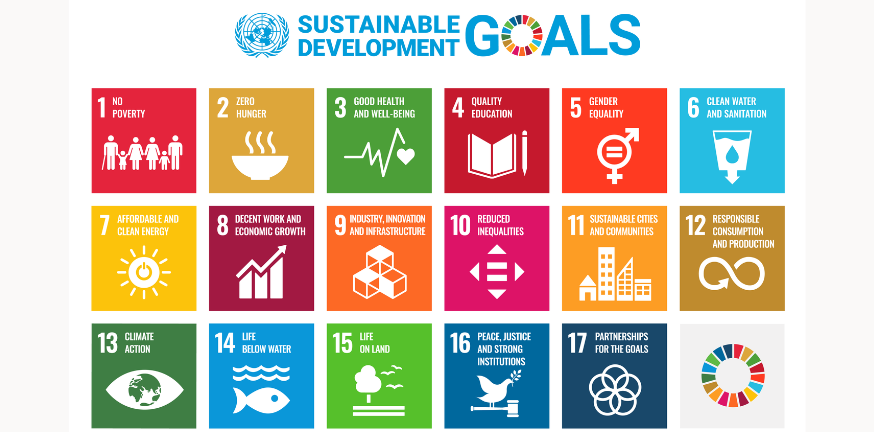
Sustainable Development Goals Cell
Vision & Mission
Vision
To be a center of excellence in promoting sustainable development, social responsibility, and global citizenship by integrating the United Nations Sustainable Development Goals (SDGs) into academics, research, community engagement, and institutional practices.
Mission
- To create awareness and understanding of the UN Sustainable Development Goals among students, faculty, and stakeholders.
- To integrate SDG perspectives into curriculum, research, and extension activities.
- To encourage interdisciplinary collaboration and innovation for sustainable solutions.
- To promote community-based initiatives addressing local and global development challenges.
- To foster environmentally sustainable and socially inclusive campus practices.
Objectives
- To institutionalize the implementation of the UN Sustainable Development Goals across academic, research, and outreach activities.
- To integrate SDGs into teaching–learning processes through courses, projects, and experiential learning.
- To promote SDG-focused research and innovation among faculty and students.
- To organize awareness programs, seminars, workshops, and campaigns aligned with national and international SDG observance days.
- To strengthen community engagement and extension activities linked to SDG targets.
- To encourage student leadership and participation in sustainability initiatives.
- To monitor, document, and report SDG-related activities and impact in alignment with NAAC and UN Academic Impact (UNAI) requirements.
- To collaborate with government bodies, NGOs, industry, and international organizations to enhance SDG outcomes.
- To promote sustainable campus practices including environmental conservation, resource efficiency, and green initiatives.
- To contribute towards achieving the 2030 Agenda for Sustainable Development through measurable and meaningful actions.
Policies
Sustainable Campus Policy: Implement eco-friendly infrastructure, energy efficiency measures, and zero-waste initiatives to ensure a green and self-sustaining campus.
Research & Innovation Policy: Establish funding mechanisms and research grants for pioneering sustainable solutions, with a focus on interdisciplinary collaboration and technological advancements.
Curriculum Development Policy: Embed SDG principles across all academic programs, ensuring students develop sustainability-oriented problem-solving skills.
Industry & Community Partnership Policy: Build strategic alliances with corporations, NGOs, and governmental bodies to promote real-world SDG applications and social impact projects.
Monitoring & Impact Assessment Policy: Develop a structured framework for periodic evaluation, impact assessment, and transparent reporting of SDG initiatives and their effectiveness.
Student & Faculty Engagement Policy: Facilitate scholarships, awards, mentorship programs, and incubation support for sustainability-driven ideas and startups.
Digital Transformation & Awareness Policy: Leverage technology for sustainability education, create an SDG knowledge hub, and run awareness campaigns for greater engagement.
Framework for Implementation
SDG Leadership Committee: A dedicated team including faculty, students, and industry experts to drive SDG initiatives.
Interdisciplinary Research Clusters: Focus groups addressing different SDG goals through research and collaboration.
Innovation & Incubation Center: Support for sustainability-focused startups and entrepreneurship.
Community Outreach Program: SDG-driven initiatives involving local communities, schools, and industries.
Annual SDG Conclave: A platform for knowledge exchange, showcasing projects, and networking with stakeholders.
Digital SDG Dashboard: A real-time tracking system for monitoring the progress of SDG initiatives at the college.
Sustainable Development Goals (SDG) Policy
M S Ramaiah College of Arts, Science and Commerce is committed to advancing the United Nations Sustainable Development Goals (SDGs) through education, research, community engagement, and responsible campus practices. Recognising the interdisciplinary nature of sustainable development, the institution has identified five priority SDGs aligned with its academic strengths, social responsibility, and regional needs.
Institutional Focus SDGs
SDG 4 – Quality Education
Ensuring inclusive, equitable and future-ready education
The institution prioritises quality education as the foundation for sustainable development.
- Integration of SDG concepts across Arts, Science, and Commerce curricula
- Promotion of experiential learning, internships, fieldwork, and service learning
- Inclusive education practices supporting first-generation learners and diverse student backgrounds
- Faculty development programmes on sustainability-oriented pedagogy
- Digital learning, skill enhancement, and lifelong learning initiatives
SDG 5 – Gender Equality
Promoting equity, dignity, and leadership
- Gender-sensitive curriculum and teaching practices
- Leadership development, mentoring, and capacity-building programmes for women
- Zero-tolerance policy towards harassment and discrimination
- Awareness programmes on gender rights, health, and legal literacy
- Strengthening Internal Complaints Committee and support systems
SDG 8 – Economic Growth
Enhancing employability and ethical work culture
- Career guidance, skill development, and employability training
- Promotion of entrepreneurship, innovation, and start-ups
- Industry–academia collaboration for internships and placements
- Ethical labour practices and inclusive economic growth initiatives
- Financial literacy and career readiness programmes
SDG 12 – Responsible Consumption and Production
Encouraging sustainable lifestyles and campus practices
The college adopts environmentally responsible practices to reduce its ecological footprint.
Key Policy Commitments:
- Waste segregation, recycling, and reduction initiatives
- Sustainable procurement and resource optimisation
- Awareness programmes on responsible consumption and circular economy
- Reduction of single-use plastics and promotion of eco-friendly alternatives
- Student-led sustainability campaigns and green audits
SDG 13 – Climate Action
Building climate awareness and resilience
The institution actively contributes to climate action through education, research, and campus initiatives.
Key Policy Commitments:
- Climate literacy integrated into academic and co-curricular activities
- Tree plantation, biodiversity conservation, and green campus initiatives
- Energy efficiency and carbon reduction measures
- Student research and projects on climate mitigation and adaptation
- Community outreach on environmental protection and climate resilience
Implementation and Governance
- An Institutional SDG Committee oversees planning, execution, and review of SDG initiatives
- Departments align academic and outreach activities with the identified SDGs
- Student clubs, NSS, NCC, and extension units actively participate in SDG action
Monitoring and Reporting
SDG - Commitment
Commitment
Through its focused engagement with these five SDGs, M S Ramaiah College of Arts, Science and Commerce strives to develop socially responsible graduates, promote sustainable practices, and contribute meaningfully to local, national, and global development goals.
SDG CELL Structure
| Sl No | Faculty Name | Department | Position in SDG |
|---|---|---|---|
| 1 | Dr. Pushpa H | Principal | Chair Person |
| 2 | Mr. Jayarama | Vice Principal | Co Chairperson |
| 3 | Dr. Jayashree DR | Biotechnology and Genetics | Faculty Advisor |
| 4 | Dr. Deepa VH | Microbiology | Convenor |
| 5 | Dr. Swetha P | Microbiology | Co-coordinator |
| 6 | Dr. Muktha | Biotechnology and Genetics | Member |
| 7 | Dr. Pooja Singh | Chemistry and Biochemistry | Member |
| 8 | Ms. Preethi L | Business Administration | Member |
| 9 | Ms. Sindhu M | Commerce | Member |
| 10 | Ms. Fathima | Computer Applications | Member |
| 11 | Ms. Vijayalakshmi | Kannada | Member |
| 12 | Dr. Lakshmi | Hindi | Member |
| 13 | Dr. Mayur | Sanskrit | Member |
| 14 | Abijith Arjunan | English | Member |
| 15 | Nethra | BA | Member |
| 16 | Mutharasi | MBA | Member |
| 17 | Rithu R | EMCs | Member |
| 18 | Ashwini | NSS | Member |
| 19 | Lakshitha | NCC | Member |
| 20 | Yashaswini | Vivekanandha Study centre / IKS | Member |
| 21 | Dr Nandini | Chemistry & Biochemistry | Member |
Events
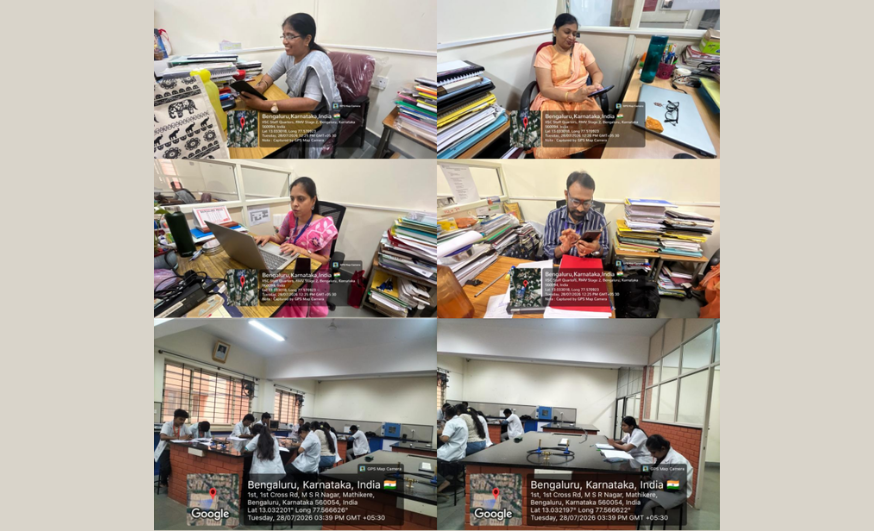
Campus Events & Observances
Aligning Academic Excellence with Sustainable Development Goals
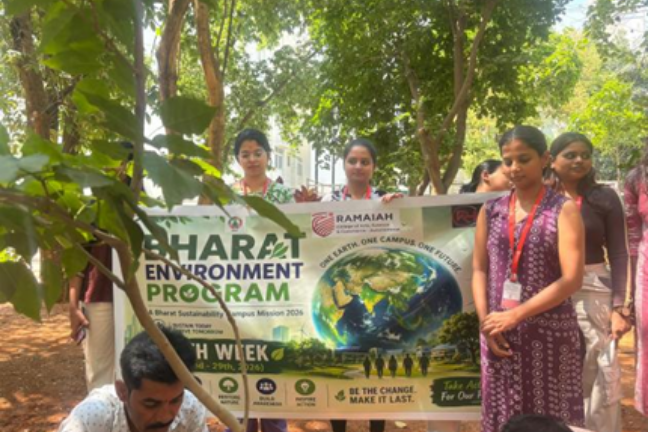
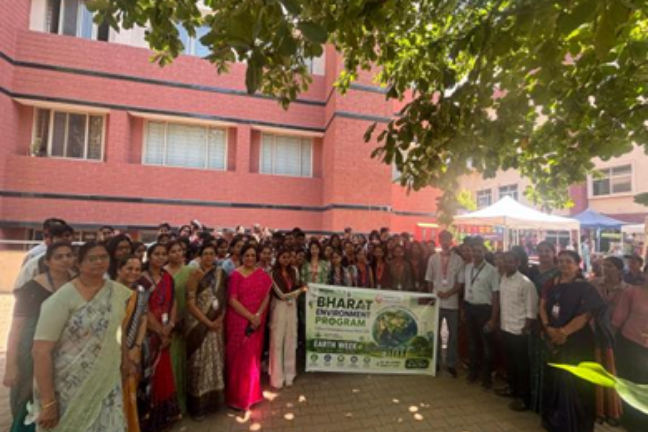
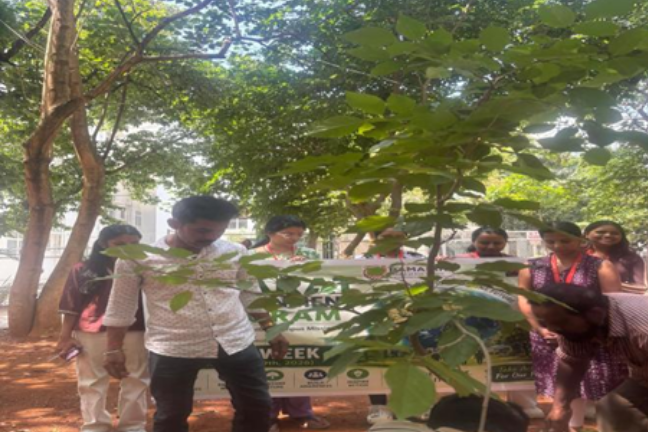
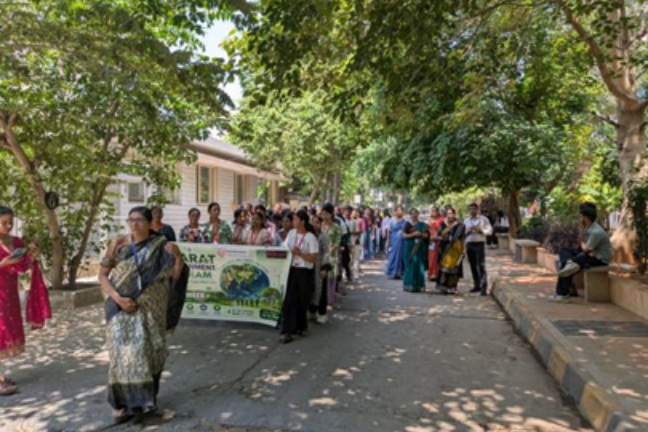
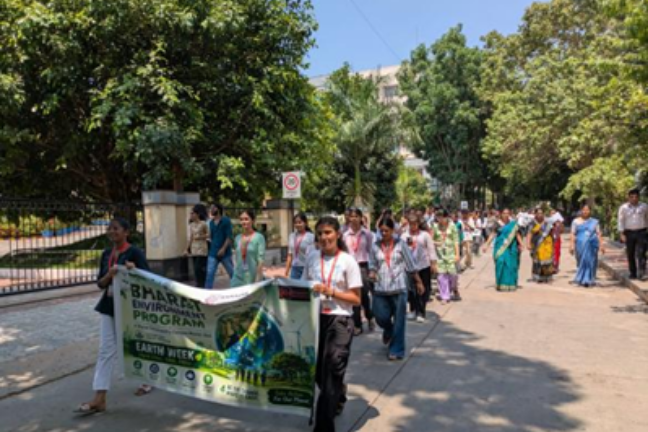
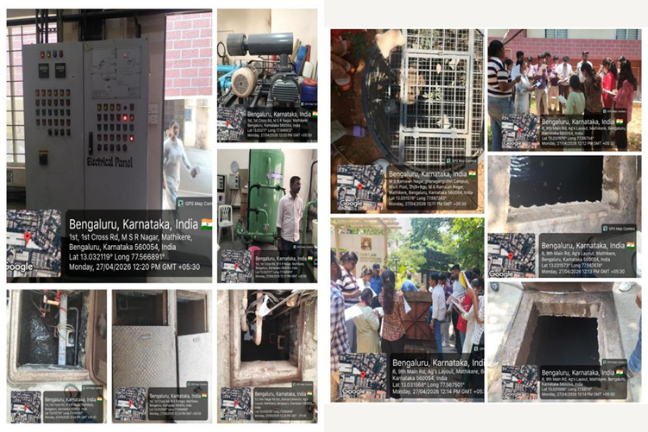
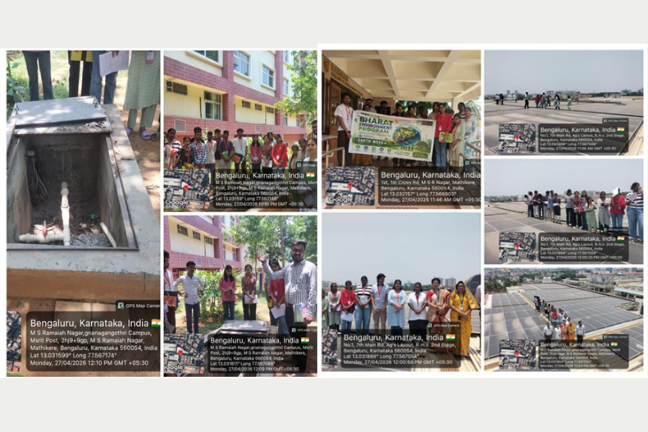
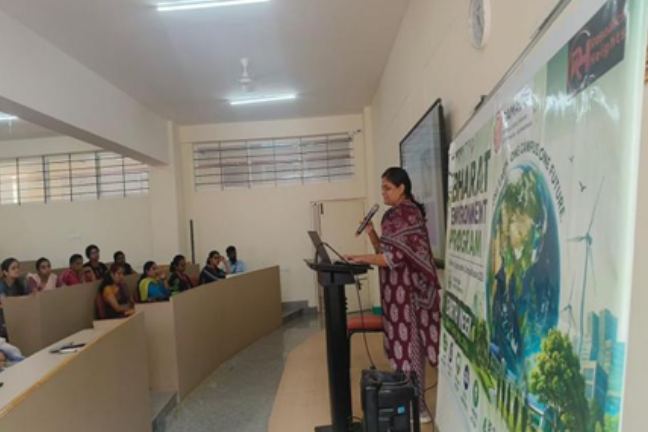
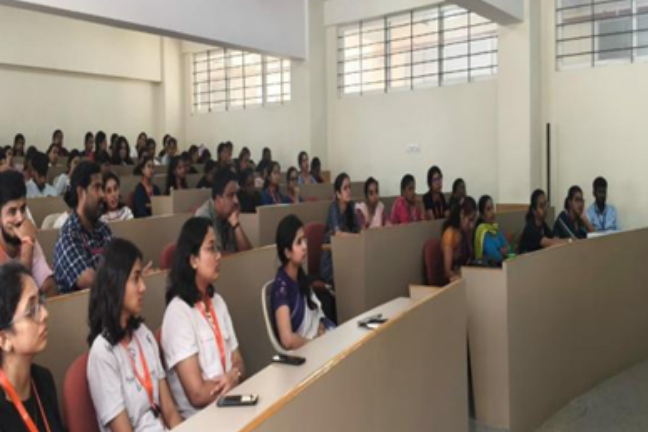
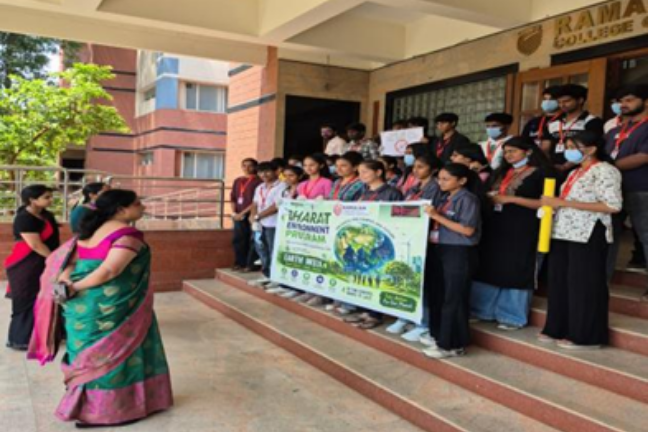
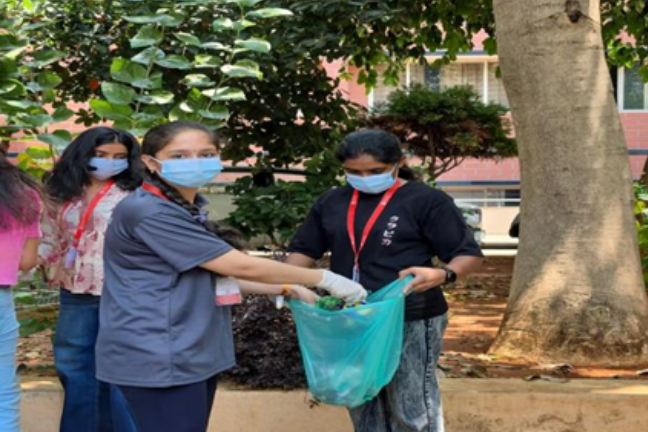
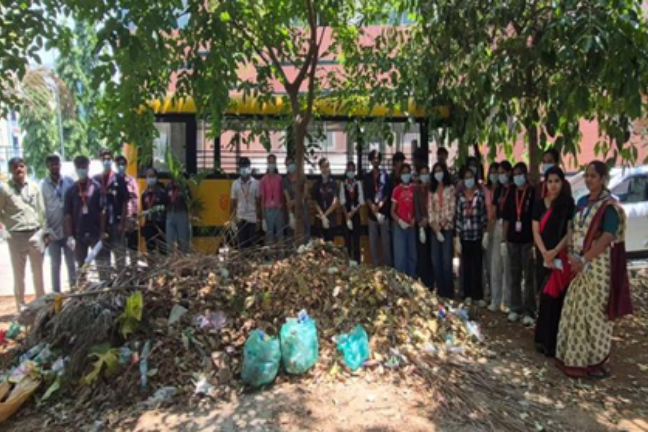
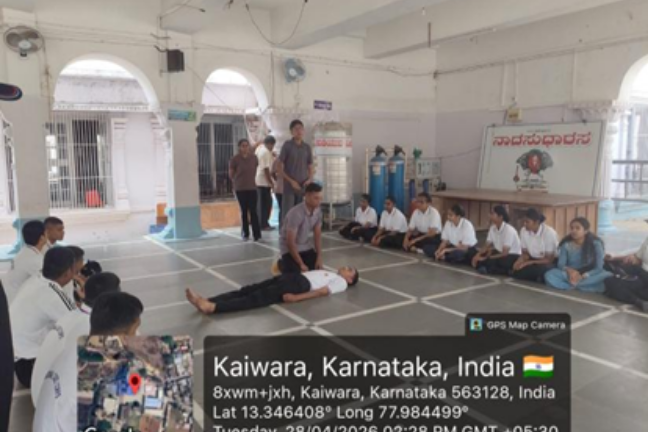
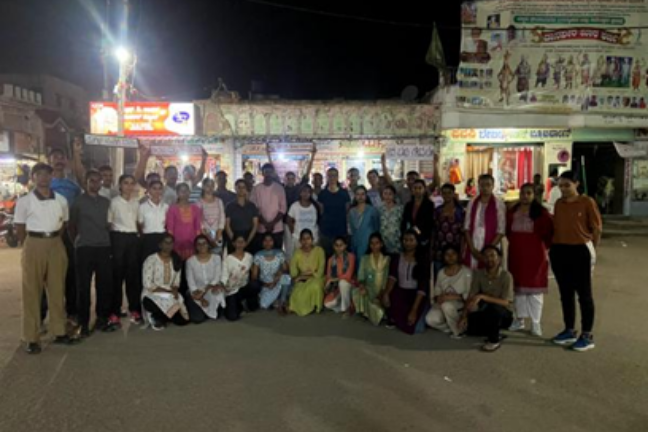
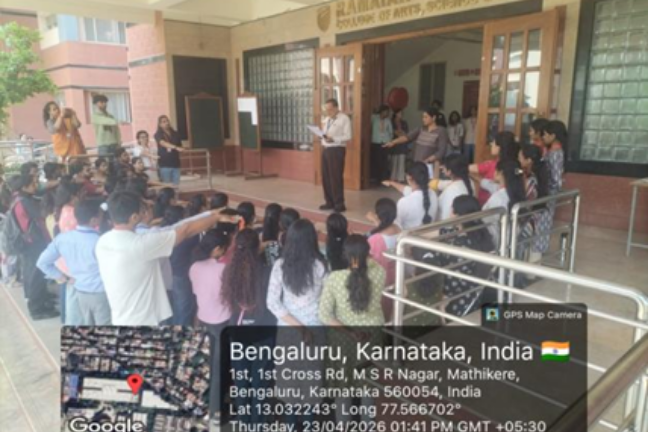
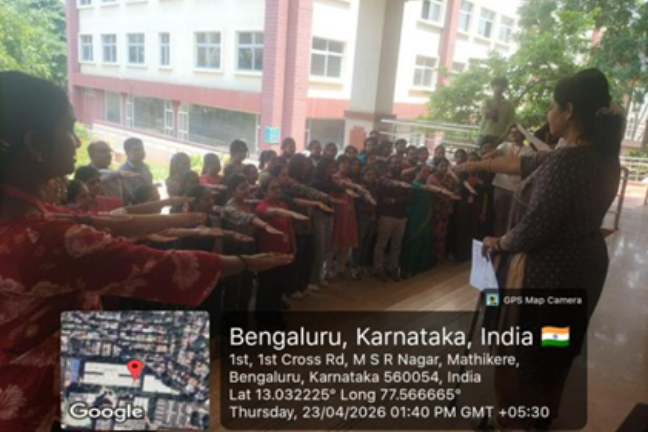



.png)
.png)