.png)
pg microbiology
Established in 1999, the Department of Microbiology has grown into a vibrant centre for teaching, research, and innovation in microbial sciences. The department is committed to delivering a strong blend of conceptual knowledge, hands-on laboratory training, and research exposure that prepares students for careers in academia, healthcare, research organisations, biotechnology industries, and entrepreneurship. The department is recognized under the DBT Star Scheme, has received the State-Level Best Department Award from the Microbiologists Society, India, and is a recognized Research Centre of Bengaluru City University for doctoral studies in Microbiology. With experienced and research-active faculty, modern laboratories, and strong industry partnerships, the department fosters scientific curiosity, innovation, and professional excellence. Undergraduate Programmes Postgraduate Programme Doctoral Programme To nurture competent microbiologists equipped with scientific knowledge, research skills, ethical values, and entrepreneurial mindset to address global challenges in health, environment, food, and industry. The department offers a research-driven and skill-oriented curriculum supported by: To enhance employability and industry readiness, the department offers specialised training programmes in emerging areas: Environmental & Industrial Microbiology Environmental microbiology, microbial ecology, bacteriology, bioremediation, and industrial microbiology. Medical & Clinical Microbiology Infectious diseases, immunology, diagnostic microbiology, and antimicrobial resistance. Plant & Agricultural Microbiology Plant biotechnology, plant metabolomics, plant pathology, endophytes, and forest biotechnology. Molecular Microbiology & Microbial Diversity Microbial genetics, mycology, molecular techniques, and microbial biodiversity studies. Biopharmaceuticals & Nanomedicine Drug delivery systems, nanomedicine, and biopharmaceutical research. Phytochemistry & Natural Products Bioactive compounds from plants and microbes with therapeutic and industrial applications. The department offers a comprehensive laboratory ecosystem designed for teaching, training, and research. Microbiology Laboratories Additional specialised facilities include: Major Equipment Fermenter, trinocular microscopes, fluorescent microscope, inverted microscope, stereo microscope, laminar airflow units, autoclaves, incubators, centrifuges, UV-Visible spectrophotometers, electrophoresis units, bioinformatics workstation, hot air ovens, pH meters, analytical balances, refrigerators and deep freezers. Advanced research equipment includes:PCR systems, gel documentation systems, ELISA readers, cooling centrifuges, air samplers, SDS-PAGE, immunoelectrophoresis units, UV transilluminators, digital colony counter and high-speed centrifuges. Technology-enabled classrooms support interactive, student-centric teaching and blended learning. The department emphasises analytical thinking, research aptitude, scientific communication, and ethical scientific practices. Students benefit from: Graduates of the department pursue successful careers in research laboratories, pharmaceutical industries, food and healthcare sectors, environmental agencies, higher education, and entrepreneurship. Assistant Professor, MSRCASC Being both an alumna and currently serving as an Assistant Professor, I take immense pride in being a part of this esteemed institution. Alumnus (2012-14) My experience was truly transformative. The college provides an environment that encourages curiosity, discipline, and continuous growth. GM, HCG Enterprises Ltd We had the best days of our life here. Best education and life values we learned from our MRSCASC. MD, White Petals Preschool My MSc experience was amazing! The teachers are very supportive and the college environment is truly memorable. ED, Amruth Organic Fertilizers An enriching and transformative experience. The college helped me build discipline, confidence, and resilience. Assistant Professor, MSRCASC My college played a significant role in shaping my foundation, instilling discipline and a passion for learning. Project Manager, GSK Pharma One of the most enriching phases of my academic journey. The college provided a strong foundation for personal growth. Assistant Professor, DSU A defining phase that shaped my research journey. Achieving the Gold Medal remains a proud milestone of my life. Alumna My college experience was good. Teachers were supportive and caring. Overall learning experience was satisfying. IoT Developer | Batch 2024 "Hands-on with Raspberry Pi projects made me confident in technical rounds and helped me secure my role." Tax Consultant, EY "The industry-aligned curriculum is the reason I am excelling in my current professional role at EY." Full Stack Developer "Ramaiah isn't just a college; it’s a career launchpad with exceptional startup and technical support."-2.png)
MASTER of SCIENCE (MSc)- Microbiology
About the Department
Academic Programmes
Vision
Mission
Academic Strengths
Value-Added & Skill Development Programmes
Research & Faculty Expertise
Infrastructure & Laboratory Facilities
Teaching & Learning Environment
Industry Interaction & Career Development
Student Success Stories

Dr. Deepa VH
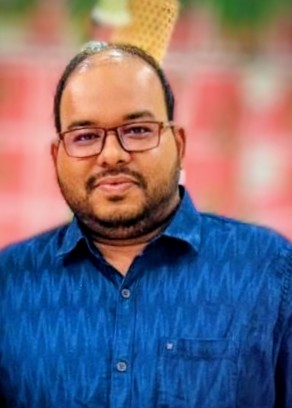
Narayan Roy

Achintya Bhusan Sarma
Jayashree D J
Amrutha. K N
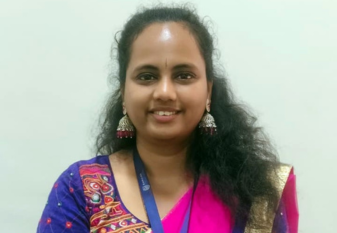
Dr. Sweta P
Dibyasri Chakraborty
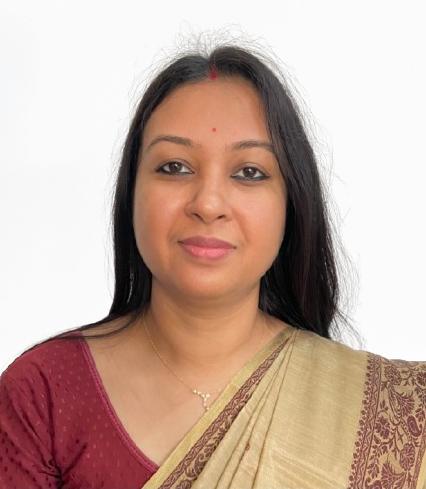
Dr. Nayana Borah
Disha HM
Karthik S.
Divya Nair
Manoj Kumar