.png)
msc Guest Lectures/Workshops
Guest Lecture/Workshop
DAY 3: Translational Applications of CRISPR-Cas9 – In Vitro Based Techniques for Biomedical Research
The third day of the ICMR-DHR Sponsored Hands-on Workshop on “Translational Applications of CRISPR-Cas9 – In Vitro Based Techniques for Biomedical Research” was successfully conducted at the Department of Biotechnology and Genetics, M. S. Ramaiah College of Arts, Science and Commerce, Bengaluru. The day featured insightful lectures from experts in academia and industry, followed by an engaging hands-on training session that provided participants with a deeper understanding of genome editing and sequencing technologies.
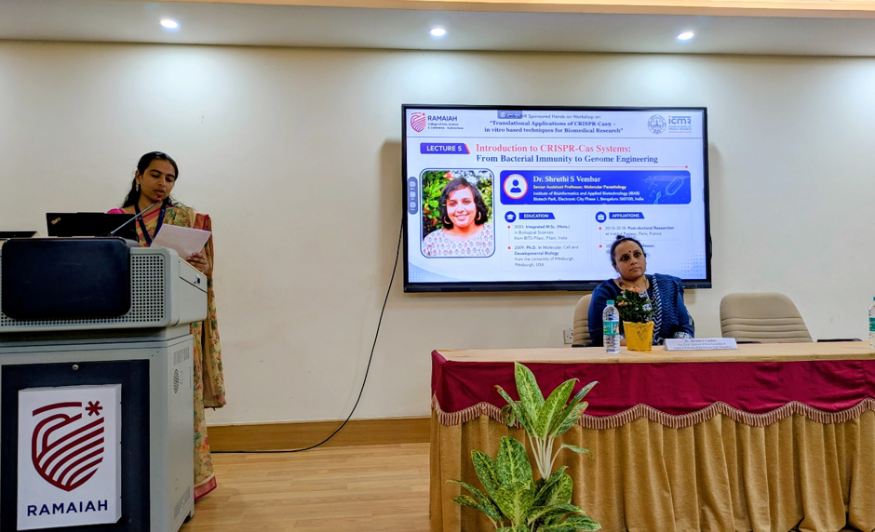
The first session, Lecture 5: “Introduction to CRISPR-Cas9 Systems: From Bacterial Immunity to Genome Engineering”, was delivered by Dr. Shruthi S. Vembar, Senior Assistant Professor, Molecular Parasitology, Institute of Bioinformatics and Applied Biotechnology (IBAB), Bengaluru. Dr. Vembar provided a comprehensive overview of the discovery and evolution of CRISPR-Cas systems, explaining their natural role in bacterial adaptive immunity. She further elaborated on how these systems have been adapted into powerful genome engineering tools, revolutionizing biomedical research and therapeutic development. The session offered participants a strong conceptual foundation in CRISPR biology and its transformative applications.
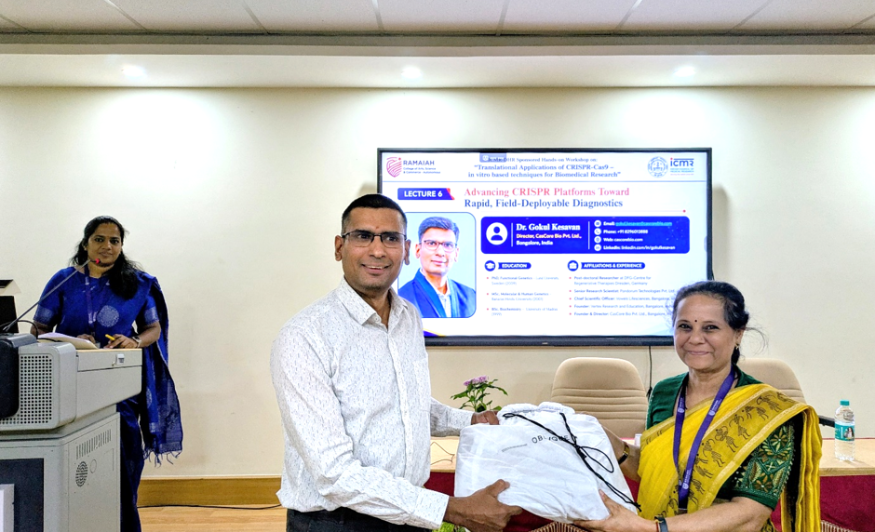
The second session, Lecture 6: “Advancing CRISPR Platforms Toward Rapid, Field-Deployable Diagnostics”, was delivered by Dr. Gokul Kesavan, Founder and Managing Director, Cascored Bio Pvt. Ltd. Dr. Kesavan highlighted the emerging role of CRISPR-based technologies in the development of rapid, sensitive, and portable diagnostic platforms. He discussed recent innovations in CRISPR diagnostics, their potential in infectious disease detection, and the challenges and opportunities in translating laboratory technologies into field-deployable healthcare solutions. He also presented his company's ongoing work on CRISPR-based diagnostic products for the detection of HPV 16/18 infections, as well as diagnostic solutions for White Spot Syndrome Virus (WSSV) and Luminous Vibriosis in shrimp, demonstrating the broad applicability of CRISPR technology in both human health and aquaculture. The session emphasized the growing impact of CRISPR beyond genome editing, particularly in point-of-care diagnostics.
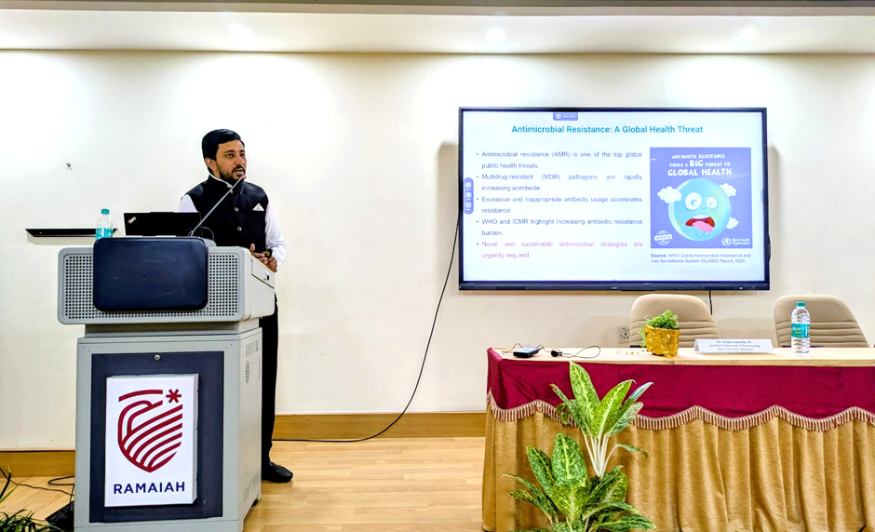
The third lecture, “Role of CRISPR-Cas9 in Exploring Plant-Derived Antimicrobials Against Resistant Pathogens”, was delivered by Dr. Keshavamurthy M, Assistant Professor, Department of Biotechnology, REVA University, Bengaluru. Dr. Keshavamurthy discussed the global challenge of antimicrobial resistance and demonstrated how CRISPR-Cas9 technology can be employed to investigate the molecular mechanisms underlying the antimicrobial activity of plant-derived bioactive compounds. The lecture provided valuable insights into the integration of genome editing tools with natural product research for the development of novel antimicrobial strategies.
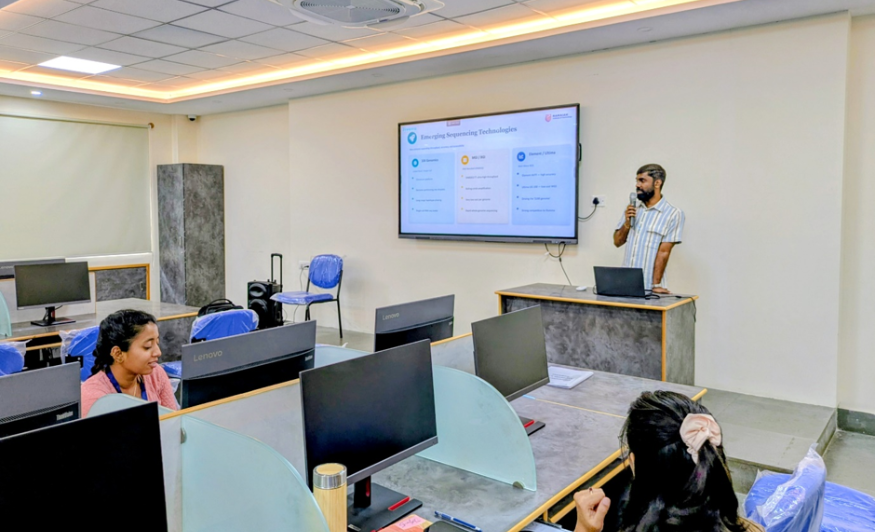
The afternoon Hands-on Session (P3) on “Decoding Life: An Introduction to Sequencing and Genome Editing” was conducted by Dr. Hithesh Kumar, Ph.D., Jivanu Therapeutics Private Limited. Participants were introduced to the fundamental principles of DNA sequencing technologies and genome editing approaches. The practical session provided exposure to sequencing workflows, data interpretation, and the significance of genome editing in modern biomedical research. Through interactive demonstrations and discussions, participants gained a clearer understanding of how sequencing and CRISPR technologies complement each other in advancing precision medicine and translational research.
The third day concluded with active participant engagement and fruitful discussions, further strengthening their understanding of CRISPR-Cas9 applications in genome engineering, diagnostics, antimicrobial research, and sequencing technologies. The sessions collectively highlighted the vast potential of CRISPR-based innovations in addressing contemporary challenges in biomedical science and healthcare.
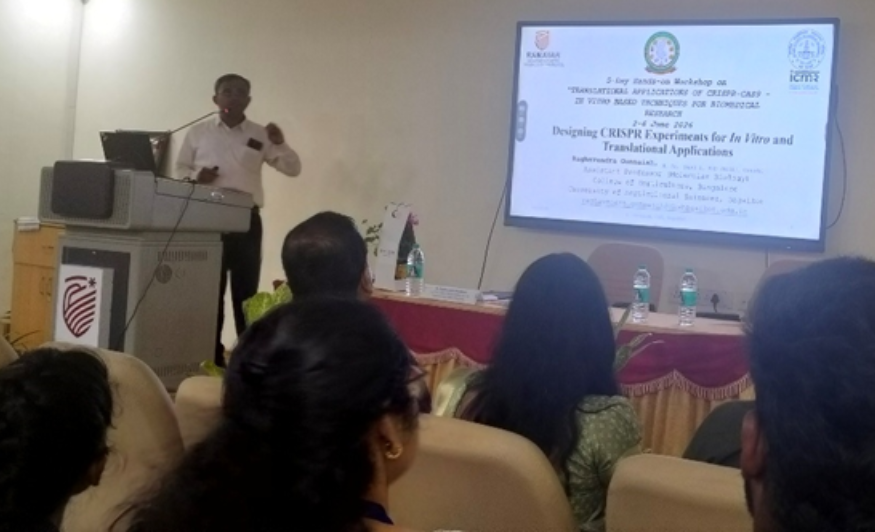
DAY 2: Translational Applications of CRISPR-Cas9 – In Vitro Based Techniques for Biomedical Research
The second day of the ICMR-DHR sponsored hands-on workshop featured two insightful expert lectures that expanded participants’ understanding of cutting-edge CRISPR technologies and their translational applications in biomedical research.
The day commenced with Lecture 3 by Dr. Raghavendra Gunnaiah, Senior Assistant Professor, Institute of Bioinformatics and Applied Biotechnology (IBAB), Bengaluru, on “Designing CRISPR: Experiments for In Vitro and Translational Applications.” The session provided a comprehensive overview of CRISPR experimental design, including target selection, guide RNA design, validation strategies, and key considerations for successful genome editing. Participants gained valuable insights into translating CRISPR-based research from laboratory experiments to real-world biomedical applications.
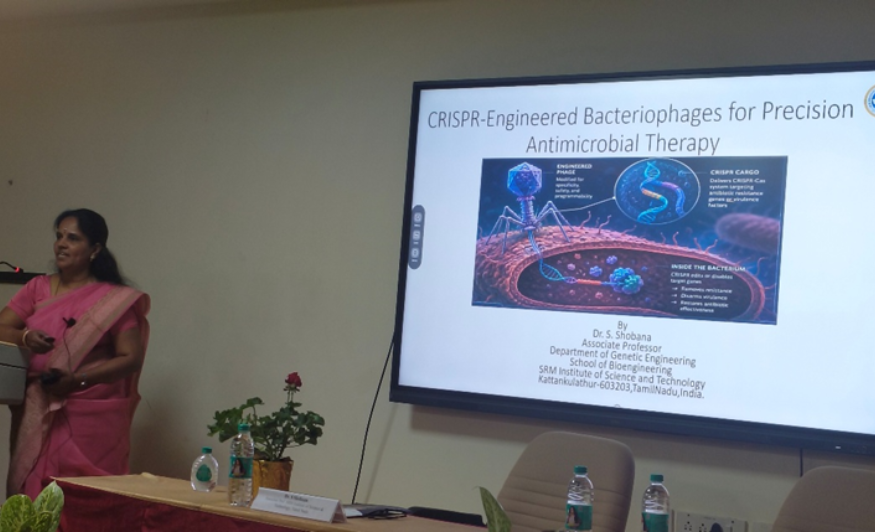
This was followed by Lecture 4 by Dr. S. Shobana, Associate Professor, Department of Genetic Engineering, SRM Institute of Science and Technology, on “CRISPR-Engineered Bacteriophages for Precision Antimicrobial Therapy.” The lecture highlighted the emerging role of CRISPR-modified bacteriophages as targeted antimicrobial agents to combat drug-resistant bacterial infections. The session showcased innovative approaches in precision medicine and emphasized the potential of phage-based therapies as next-generation alternatives to conventional antibiotics.
Both sessions stimulated engaging discussions and provided participants with valuable exposure to contemporary advancements in CRISPR technology, reinforcing the workshop’s objective of bridging fundamental research with translational biomedical applications.
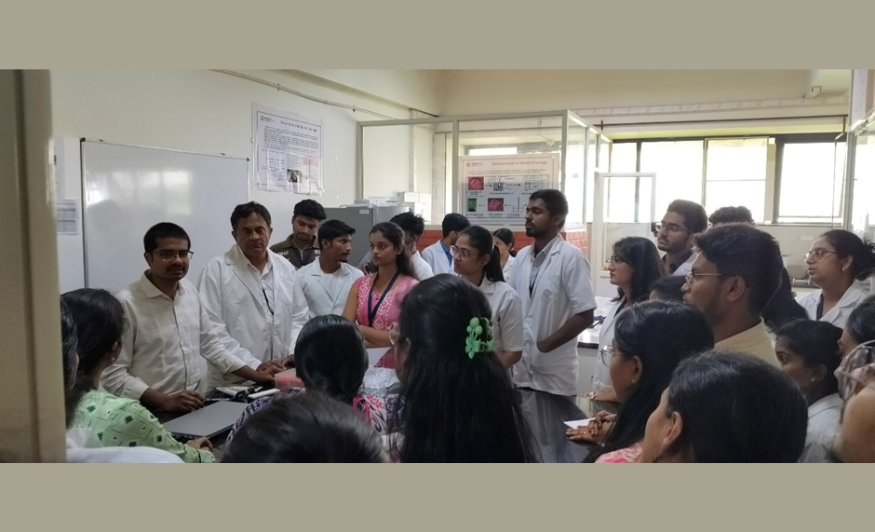
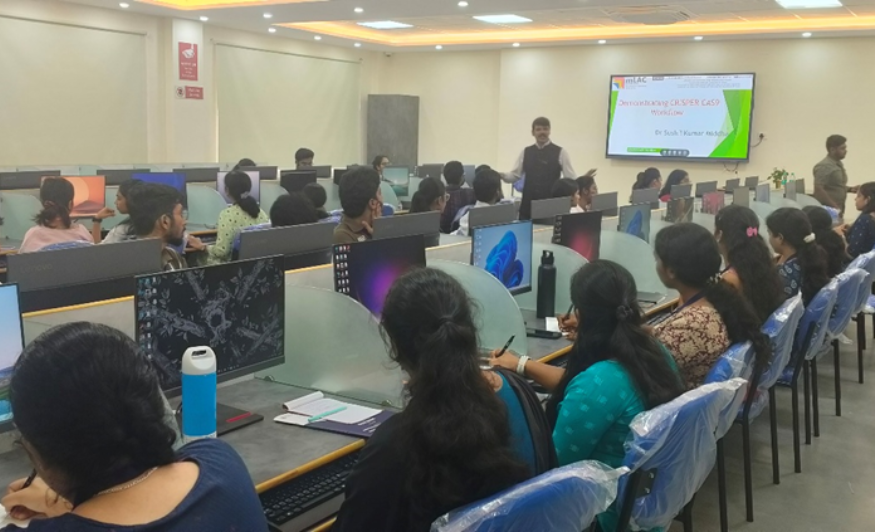
The hands-on component began with a specialized session on Bioinformatics and Data Analysis in CRISPR Research conducted by Dr. Sushil Kumar Middha, where participants explored computational approaches used in genome editing studies. Participants then engaged in an extensive practical session on Designing CRISPR-Cas9 Systems, guided by Dr. Basavaraju Surendranath and Dr. Krishnagowdu Saravanan. The practical exercises covered base editing using CRISPR, off-target prediction and specificity analysis, PCR primer design for mutation screening, and sequencing data analysis. These sessions provided participants with valuable experience in integrating bioinformatics tools with experimental genome-editing workflows, strengthening their understanding of CRISPR-Cas9 technology and its translational applications.
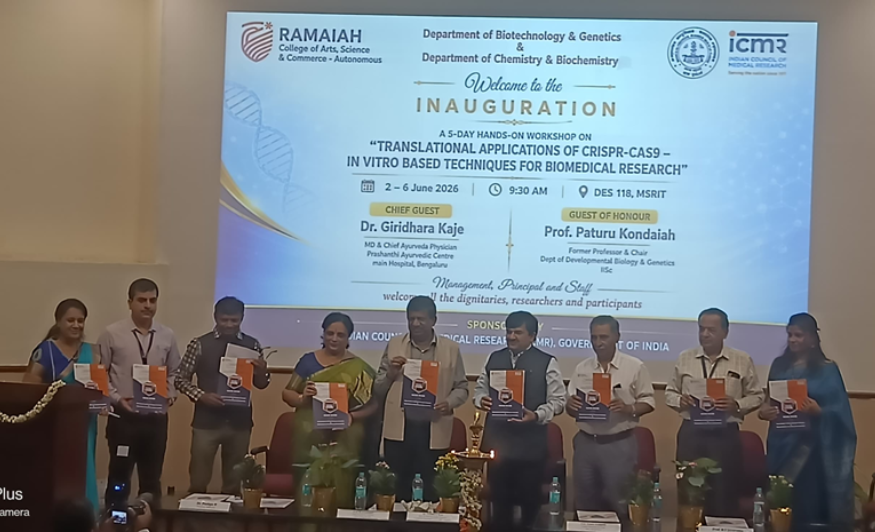
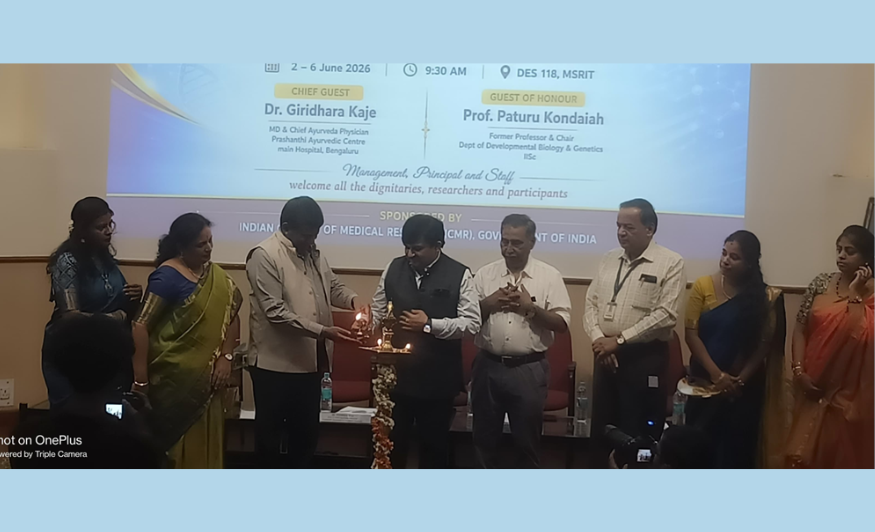
Translational Applications of CRISPR-Cas9 – In Vitro Based Techniques for Biomedical Research
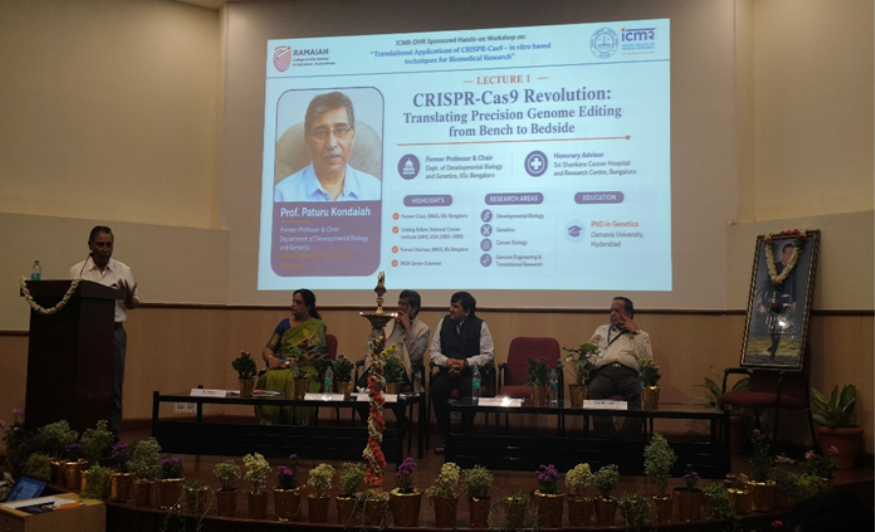
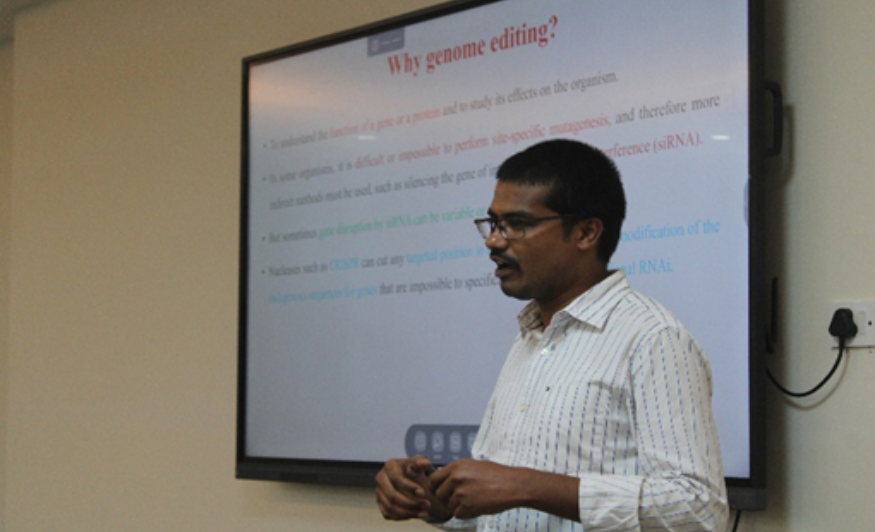
The ICMR-DHR Sponsored Hands-on Workshop on “Translational Applications of CRISPR-Cas9 – In vitro Based Techniques for Biomedical Research” was inaugurated on 2nd June 2026 at DES118 (Seminar Hall), MSRIT and organised jointly by the Departments of Biotechnology & Genetics and the Departments of Chemistry & Biochemistry of MS Ramaiah College of Arts, Science and Commerce (Autonomous). The workshop aims to provide participants with both theoretical knowledge and practical exposure to CRISPR-Cas9 technology and its biomedical applications. The inaugural session welcomed participants from various institutions and highlighted the growing significance of genome editing in advancing biomedical research, precision medicine, and translational science.
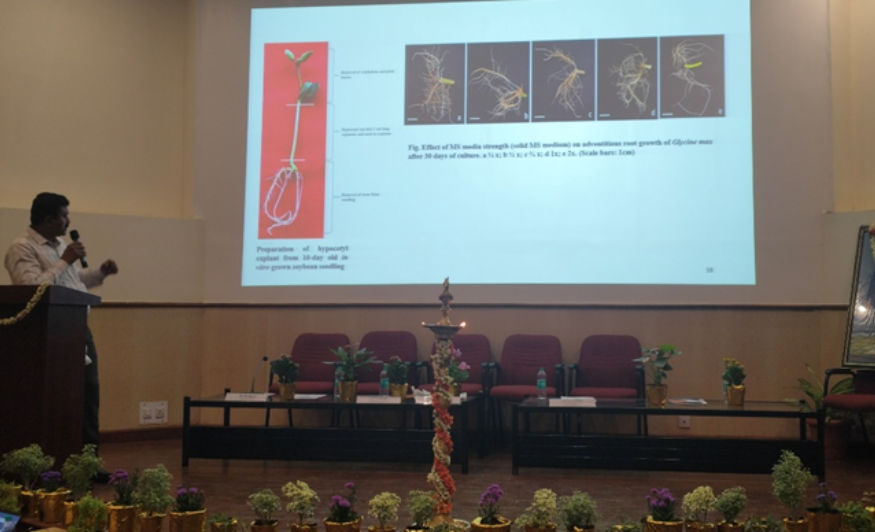
The lecture series commenced with an inspiring keynote address by Prof. Paturu Kondaiah, Former Professor and Chair, Indian Institute of Science (IISc), Bengaluru, on “CRISPR-Cas9 Revolution: Translating Precision Genome Editing from Bench to Bedside.” The lecture highlighted the transformative role of genome editing in healthcare, disease treatment, and precision medicine. This was followed by an insightful session by Dr. S. Dhanapal Principal, Arignar Anna College (Arts and Science), Krishnagiri, Tamil Nadu on “Bioengineering of isoflavonoid biosynthetic pathway in soybean using genetic engineering and genome editing (CRISPR-Cas9) technology” The speaker emphasised the significance of CRISPR technology application in genome editing of soybean plant.
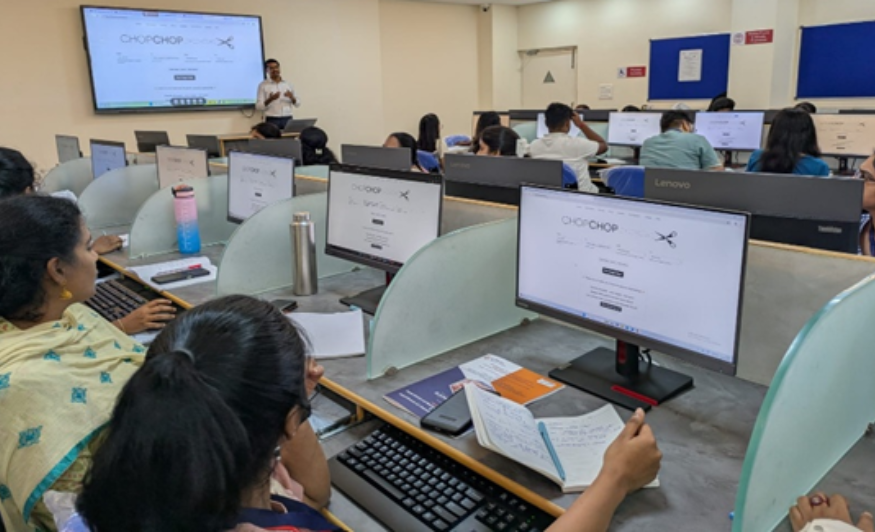
The hands-on session provided participants with practical exposure to key aspects of CRISPR-Cas9 experimental design, including base editing using CRISPR, off-target prediction and specificity analysis, PCR primer design for mutation screening, and sequencing data analysis. The session emphasized the integration of bioinformatics and molecular biology tools essential for successful genome editing experiments. The training was led by a distinguished panel of experts comprising Dr. Basavaraju Surendranath (Rajiv Life Sciences, Bengaluru),Dr. S. Dhanapal (Principal, Arignar Anna College, Krishnagiri), and Dr. Krishnagowdu Saravanan (Assistant Professor, Arignar Anna College, Krishnagiri).
Through interactive demonstrations and guided exercises, the experts provided valuable insights into CRISPR-Cas9 workflow design, experimental planning, and data interpretation. The session enabled participants to gain hands-on experience with contemporary genome editing methodologies and strengthened their understanding of translational applications of CRISPR technology in biomedical research.
Indian Knowledge Systems (IKS): Relevance in Modern Science & Biotechnology
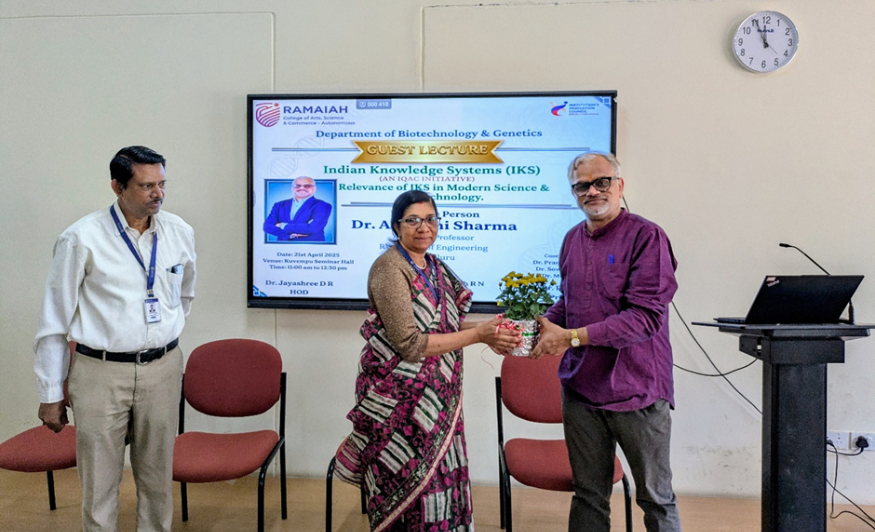
The Department of Biotechnology & Genetics, Ramaiah College of Arts, Science and Commerce (Autonomous) organized a guest lecture on “Indian Knowledge Systems (IKS): Relevance in Modern Science & Biotechnology” on 21st April 2025 at the Gallery Room, MSRCASC campus, as part of an IQAC initiative. The session was delivered by Dr. Ashwani Sharma, who highlighted the scientific foundations and contemporary relevance of Indian Knowledge Systems in areas such as Ayurveda, sustainable agriculture, environmental conservation, and biotechnology. He explained how traditional knowledge can complement modern scientific research, particularly in drug discovery, medicinal plant research, industrial microbiology, and sustainable practices, while emphasizing the importance of scientific validation and interdisciplinary research. The lecture also addressed the global recognition of IKS, ethical considerations, and career opportunities in integrating traditional wisdom with modern science. Attended by 73 participants, including postgraduate students and faculty members, the session concluded with an interactive discussion that inspired students to explore innovative research at the intersection of traditional knowledge and biotechnology.
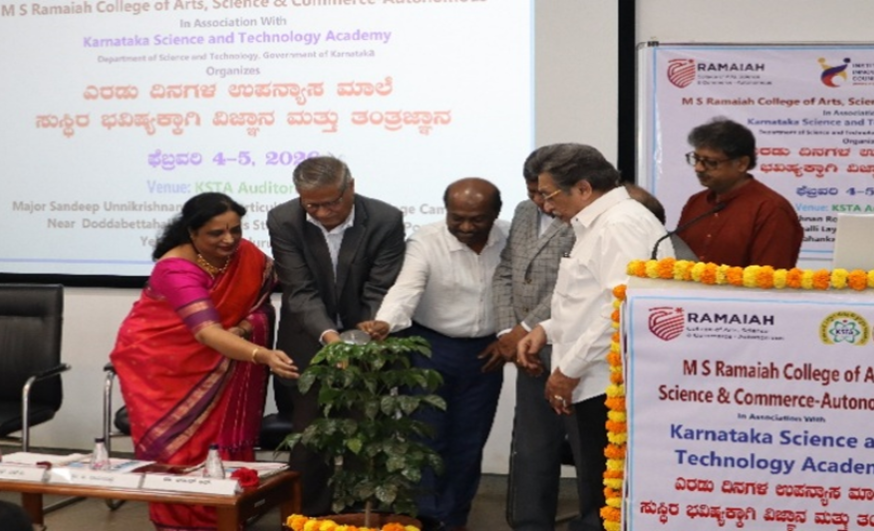
Two-Day Special Lecture Series on Science and Technology for a Sustainable Future
The Department of Biotechnology and Genetics, M. S. Ramaiah College of Arts, Science and Commerce – Autonomous, in association with the Karnataka Science and Technology Academy (KSTA), successfully organized a Two-Day Special Lecture Series on the theme “Science and Technology for a Sustainable Future” on 4th and 5th February 2026 at the KSTA Auditorium, Bengaluru.
The program witnessed enthusiastic participation from 186 students and 16 faculty members representing institutions such as Nrupathunga University, REVA University, Kristu Jayanti Deemed to be University, JSS Academy of Higher Education and Research, and ICAR–National Bureau of Agricultural Insect Resources.
The lecture series aimed to promote interdisciplinary learning, create awareness about sustainable development, and bridge theoretical knowledge with real-world scientific applications. Eminent scientists, academicians, and industry experts from premier institutions including Indian Institute of Science, National Centre for Biological Sciences, and National Institute of Virology delivered insightful sessions.
The event inspired students and faculty to actively engage in research, innovation, and problem-solving towards building a sustainable scientific future.
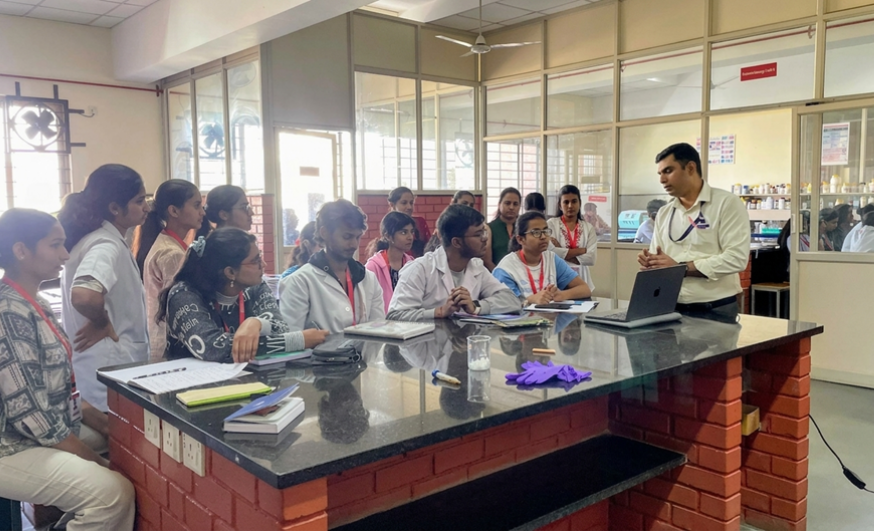
Hands-on Workshop on “Basic Tools & Techniques in Molecular Biology” (Skill-Oriented)
The Department of Biotechnology & Genetics, in association with the Department of Biotechnology (Govt. of India) and supported by the Institution’s Innovation Council (IIC), organized a Hands-on Workshop on “Basic Tools & Techniques in Molecular Biology” for B.Sc. II Semester students. The workshop was conducted on 22nd and 23rd, January 2026 at, Ramiah College of Arts, Science & Commerce (Autonomous). The program aimed to provide students with practical exposure to fundamental molecular biology techniques, strengthening their conceptual understanding through skill-based learning.
The training covered essential laboratory techniques including DNA isolation, Polymerase Chain Reaction (PCR), and Agarose Gel Electrophoresis, along with an introduction to data analysis and interpretation. The workflow was demonstrated step-by-step, enabling participants to understand experimental design, instrumentation, and result analysis.
Overall, the workshop successfully enhanced students’ practical competencies in molecular biology techniques and promoted experiential learning, aligning with current academic and industry requirements.
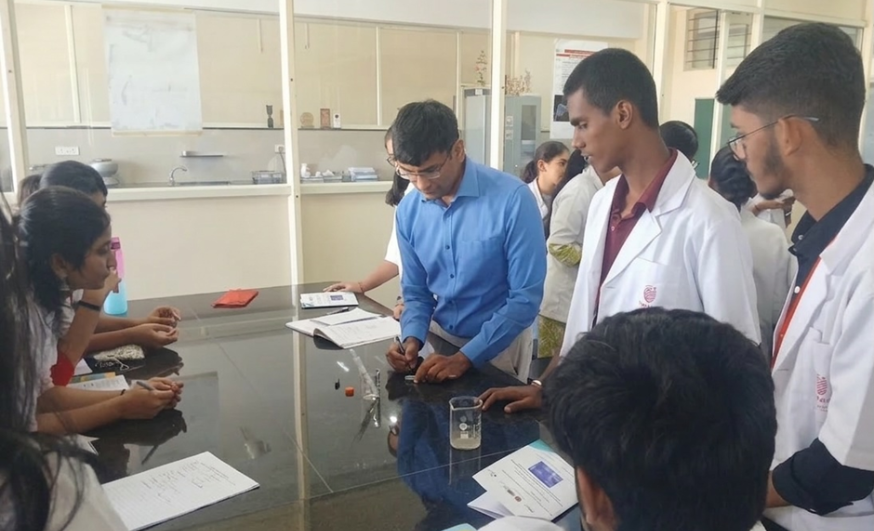
Research Oriented Hands-on Workshop on "Zebrafish Model Systems: Embryology and Staining Techniques"
The Department of Biotechnology and Genetics organized a one-day research-oriented hands-on workshop on “Zebrafish Model Systems: Embryology and Staining Techniques” was conducted on 22nd January 2026 for IV Semester B.Sc. Genetics students in the Genetics Lab. The session aimed to introduce zebrafish as an important model organism in developmental biology.
The workshop focused on providing both theoretical knowledge and practical exposure. Students were introduced to embryological development stages and the significance of zebrafish in genetic research, enhancing their conceptual understanding of model systems.
During the hands-on session, participants practiced embryo collection, fixation, and staining techniques. Methods such as Alcian Blue staining and whole-mount in situ hybridization were demonstrated to study cartilage structures and gene expression patterns, followed by microscopic observation.
The workshop improved students’ laboratory skills, confidence, and understanding of experimental procedures. Overall, it successfully combined theory with practice, enriching students’ research aptitude and encouraging future engagement in scientific studies.
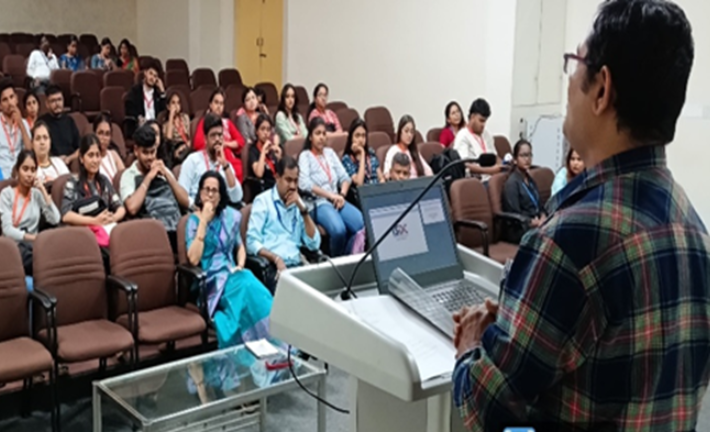
Know Your Path, Know Your Scope
The Department of Biotechnology and Genetics organised a Guest lecture on “Career and Global Education Opportunities for Life Science Students” on 7th April 2025. The session was delivered by Mr. Anupam Dubey, Business Relationship Manager- International Skill Development Corporation (ISDC), Bangalore. Mr. Dubey highlighted the global study and career paths for life science students, focusing on scholarships, application essentials (SOP, LOR, exams), and the value of international exposure in enhancing research skills and career prospects.
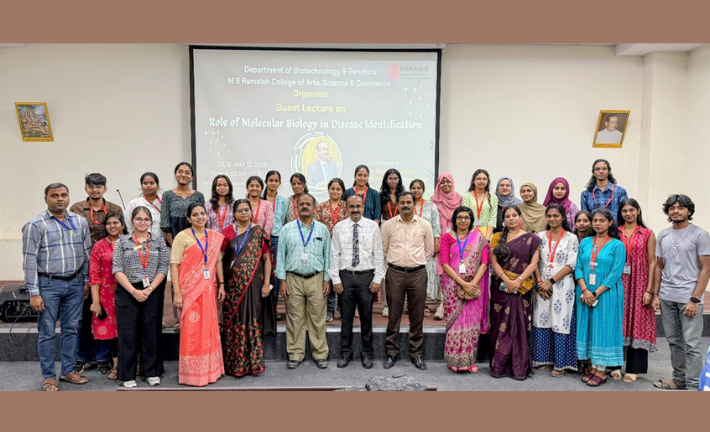
How Molecules Make a Difference
The Department of Biotechnology and Genetics organized Guest lecture ‘Role of Molecular Biology in Disease Identification’ on 12th May, 2025. An insightful guest lecture was delivered by Dr. Jagadeesh Kumar, Associate Professor, Sir M Visvesvarayya Institute of Technology, Yelahanka, Bengaluru for B.Sc. life Science students.
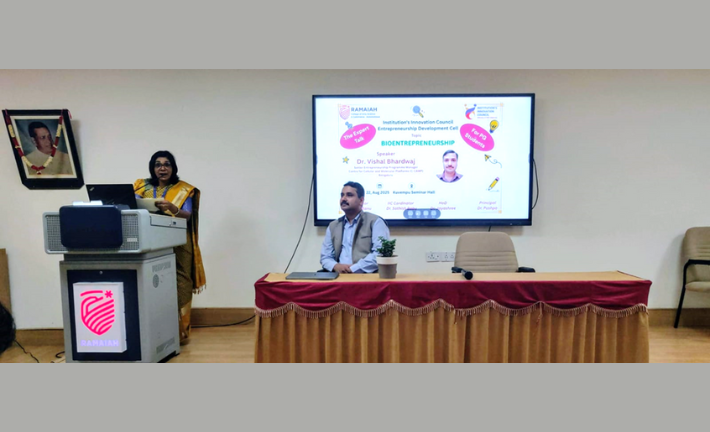
Bio-Entrepreneurship
The Department of Biotechnology hosted an Expert Talk on “Bio-Entrepreneurship” on 22nd August 2025 at the Kuvempu Seminar Hall, aimed at inspiring postgraduate students to explore entrepreneurial opportunities in life sciences and biotechnology. Dr. Vishal Bhardwaj, Senior Entrepreneurship Programme Manager at C-CAMP, Bengaluru, introduced the Life-ED Programme, highlighting mentorship and funding avenues for budding biotech entrepreneurs. He emphasized how scientific research can be transformed into impactful ventures and shared ways for students to actively engage with the entrepreneurial ecosystem. The session concluded with an interactive Q&A, sparking curiosity and encouraging students to see entrepreneurship as a viable and exciting career path. The talk successfully ignited innovative thinking and entrepreneurial enthusiasm among young scientists.
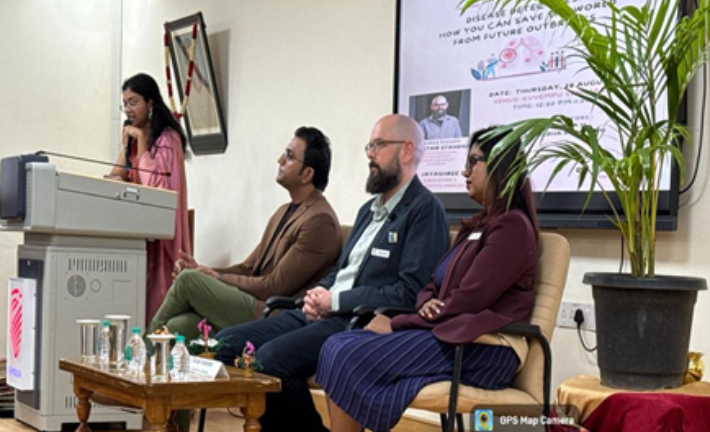
Epidemic Avengers: Science to the Rescue
The Department of Biotechnology & Genetics at Ramaiah College of Arts, Science, and Commerce organized an insightful guest lecture titled "4" on August 28, 2025, as part of its IQAC initiative. The session, held at the Kuvempu Seminar Hall, featured Dr. Alistair Standish, Associate Professor of Biotechnology at Flinders University, Australia, who engaged participants on innovative approaches to outbreak detection and prevention. The event provided an interactive platform for students and faculty to deepen their understanding of public health challenges, emphasizing the importance of scientific vigilance and collaborative effort in disease management. The lecture was a valuable addition to the department’s ongoing commitment to preparing future researchers and professionals to respond effectively to global health threats.
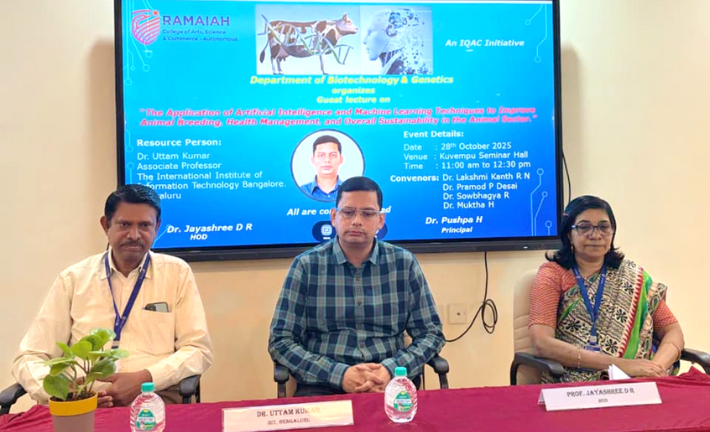
From Lab Coats to Startups – Bio-Entrepreneurship Ignited
The Department of Biotechnology of M S Ramaiah College of Arts, Science and Commerce organized a guest lecture on “The Application of Artificial Intelligence and Machine Learning Techniques to Improve Animal Breeding, Health Management, and Overall Sustainability in the Animal Sector” for MSc Biotechnology Students. The program was coordinated by the Convenors of Department of Biotechnology under the guidance of the Head of the Department, Dr. Jayashree D R. The event commenced with a welcome Address by Dr. Jayashree D R, Head of the Department, who emphasized the relevance of Artificial Intelligence in life sciences and motivated students to explore interdisciplinary fields. This was followed by the welcoming of the guest with a sapling, presented by Dr. Lakshmikanth R N as a gesture promoting sustainability. Ms. Rakshitha Kulkarni (M.Sc. I Semester, Biotechnology) formally introduced the distinguished resource person, Dr. Uttam Kumar, highlighting his academic contributions and research achievements. The session proceeded with an insightful address by the resource person.
Tiny Fly, Big Science: Unlocking Genetics with Drosophila
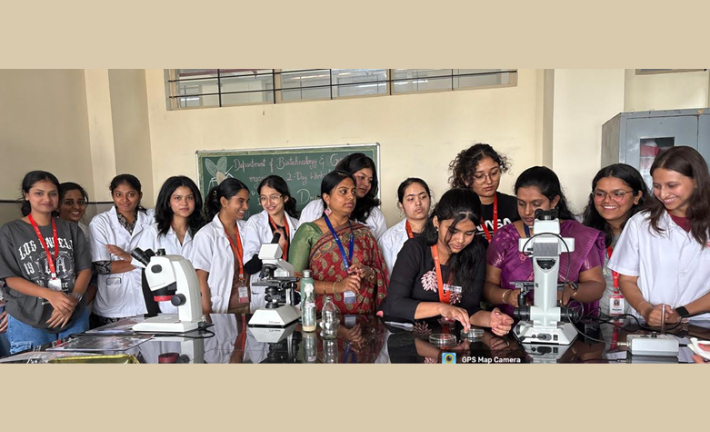
The Department of Biotechnology and Genetics organized Two-day Workshop on “Exploring Drosophila - Practical Approaches from Handling to Behaviour” on 8th and 9th April 2025.
From Theory to Practice: How to Bridge the Learning Gap
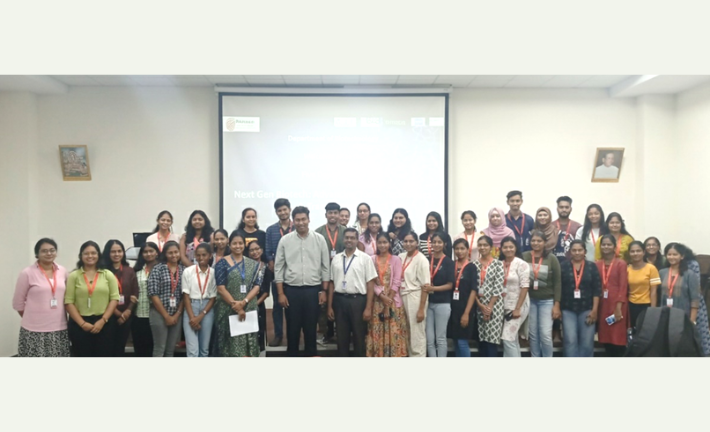
The Department of Biotechnology conducted a 5-day industrial collaborative hands-on workshop titled "Next Gen Biotech: Advancing Tools, Techniques & Transformation" from 18th to 24th June 2025 at Mother Teresa Auditorium. The workshop aimed to bridge the gap between academic learning and industry-relevant skills through lectures, demonstrations, and practical sessions on advanced biotechnological techniques. Renowned experts from academia and industry, including Dr. Sravanthi Davuluri, Prof. Kshtish K Acharya, Dr. Akhilesh Kumar Bajpai, and others, delivered sessions on high-tech research.
Science to Cure: The path from Sickle Cell Disease
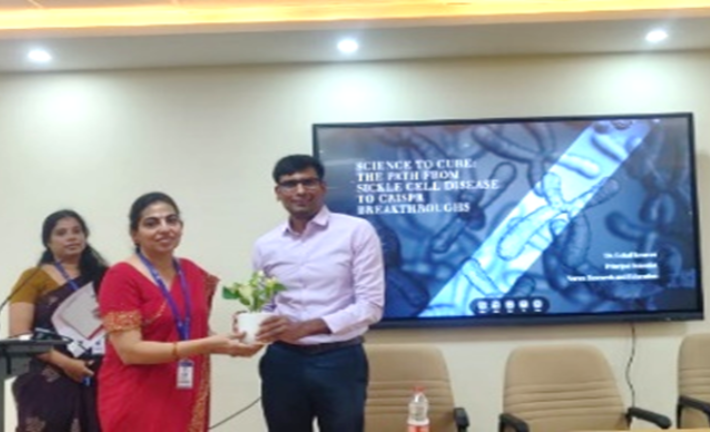
The Guest lecture, ‘Science to Cure: The path from Sickle Cell Disease to CRISPR breakthroughs’ on July 18, 2024, ignited the curiosity of BSc I Semester students- autonomous batch, by Dr. Gokul Kesavan, Founder and Scientist, Vertex Research and Education. The guest lecture engaged and exposed the students with transformative power of research.
Just be and Do (Science)
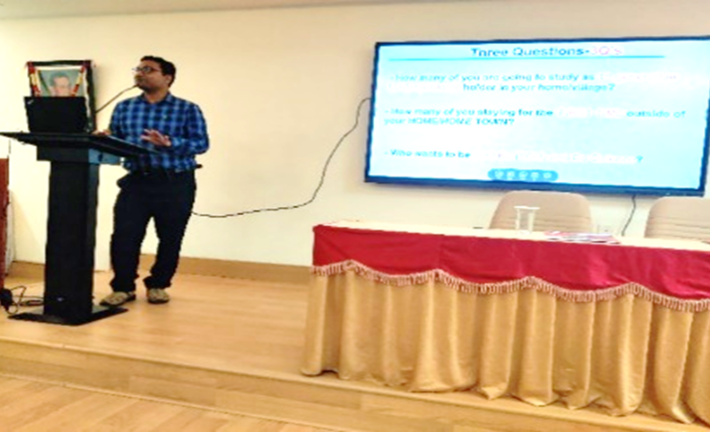
Dr. Bishwajit Paul delivered a talk on ‘Just be and Do (Science)’ on August 8, 2024, for BSc I semester Life Science students. The lecture covered several key themes that emphasized self-improvement, long-term success, and resilience. His talk was filled with real-life examples and studies, which helped the audience connect the science behind personal development with practical applications.
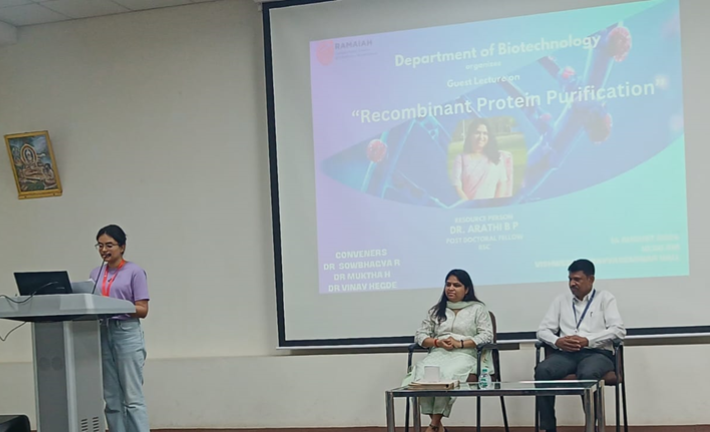
Guest lecture on Recombinant Protein Purification
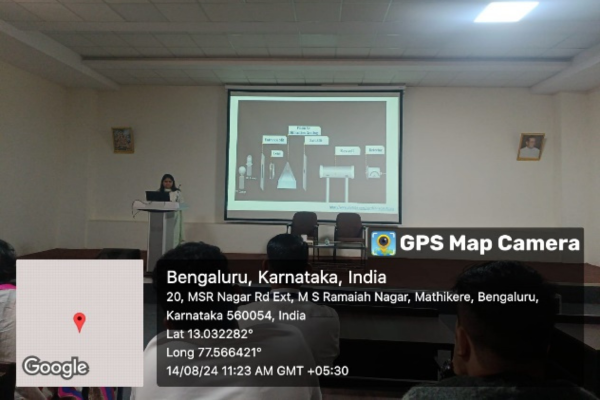
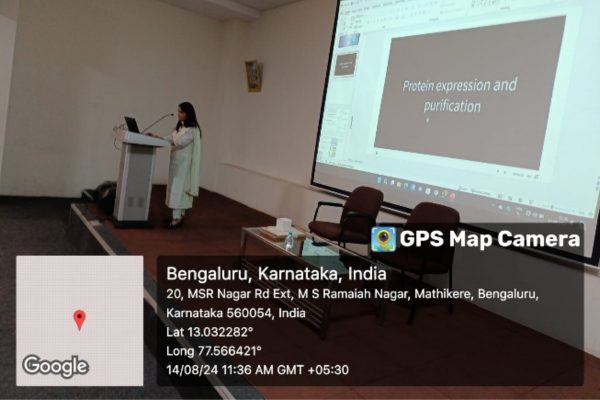
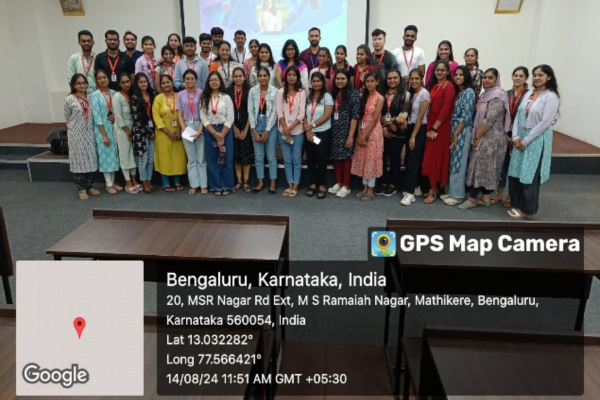
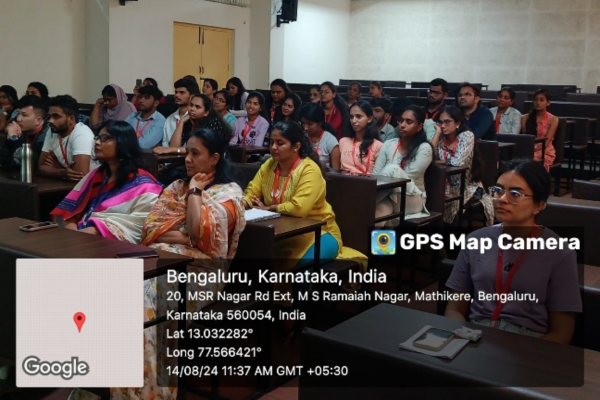
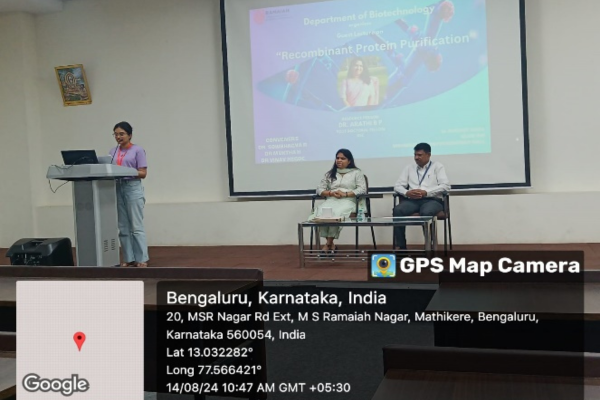
On August 14, 2024, the Department of Biotechnology organized a guest lecture titled "Recombinant Protein Purification" at Visveswaraiah Seminar Hall, attended by 88 MSc Biotechnology students from the II and IV semesters. Dr. Arathi B P, a Postdoctoral Fellow at the Indian Institute of Science (IISc), Bengaluru, delivered the lecture, providing valuable insights into the purification processes essential for biotechnological applications such as drug development and enzyme production. Dr. Arathi’s engaging lecture covered critical topics, including various expression systems, challenges in purification, and the applications of recombinant proteins in pharmaceuticals and diagnostics. She also presented case studies that facilitated interactive discussions among students, allowing them to clarify their doubts.
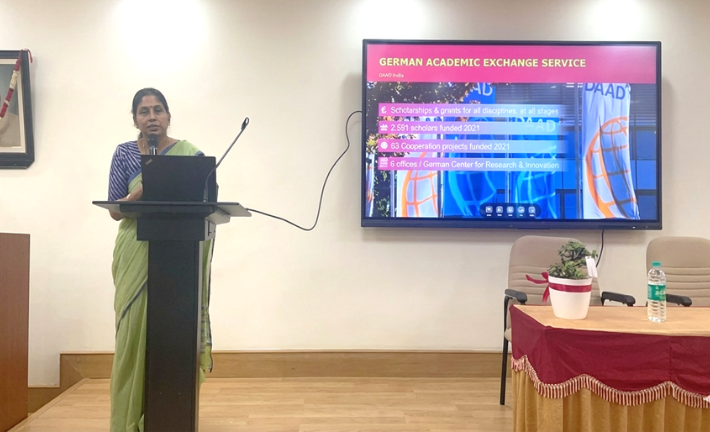
Opportunities for Higher Education in Germany
A guest lecture on September 3, 2024, was delivered on ‘Opportunities for Higher education in Germany’ by Ms. Suganya Tamalapadi, Regional officer, DAAD German Academic Exchange Service, Consulate General of Germany, Bengaluru. The guest lecture was a resounding success, offering invaluable guidance to students aspiring to study in Germany. The detailed discussion on eligibility, financial planning, and cultural integration provided a clear roadmap for students, helping them navigate the complexities of international education. The session was both educational and motivational, leaving the students well-informed and inspired to pursue their academic dreams in Germany.
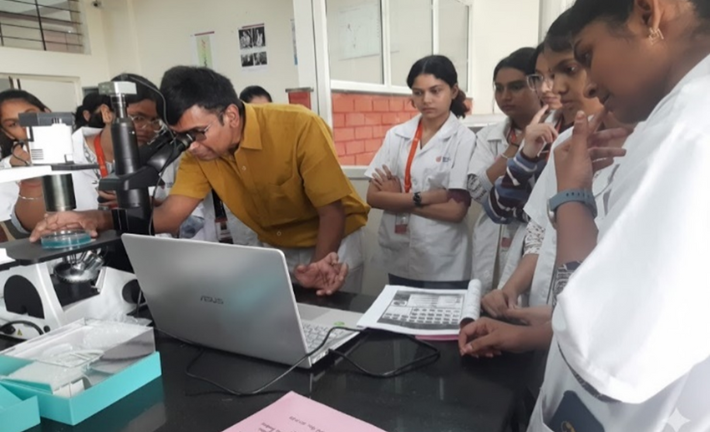
Workshop on “Fins to Findings: Zebrafish in Embryonic Development, Drug Discovery, Disease Modeling, and Regeneration
The Department of Biotechnology and Genetics at MSRCASC, in collaboration with Vertex Research and Education, hosted a skill-based, hands-on workshop on utilizing zebrafish as a model organism from April 24 to May 3, 2024. Dr. Gokul Kesavan, a renowned zebrafish researcher in Genetics, led the workshop, showcasing the latest advancements in genetic engineering, drug discovery, developmental biology, and regeneration using zebrafish. The workshop provided participants with practical exposure to zebrafish handling, experimental design, and data interpretation through interactive sessions and demonstrations. This initiative significantly enhanced the research skills of students and faculty, bridging the gap between theoretical knowledge and real-world biomedical research applications.
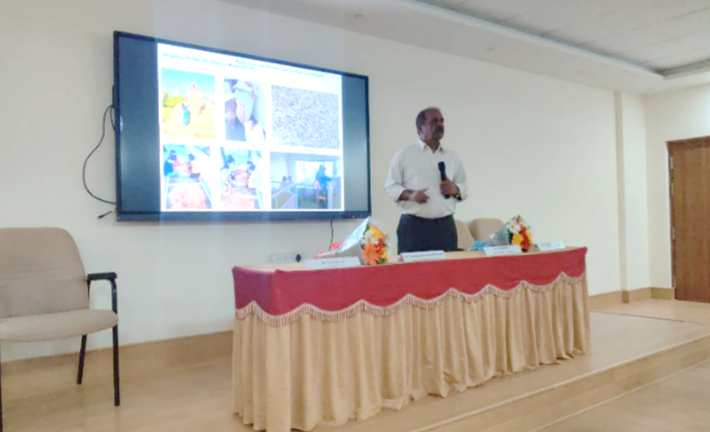
Workshop on Mushroom farming
Dr Channarayappa, Professor, Research Head, Dept. of Biotechnology conducted a workshop for BSc V sem students on ‘Mushroom farming, research innovation & marketing strategies for advancement towards Entrepreneurship.’ on July 30, 2024. It was mainly focussed on the Mushroom farming, research, and marketing. This workshop covered different phases of research project including both basics and applications in the field of mushroom cultivation. Besides provided the students with hands-on experience.