.png)
ba Best Practices
Best Practices
.png)
.png)
.png)
.png)
.png)
.png)
.png)

Campus Events to Real Stories: Training Through 360+1
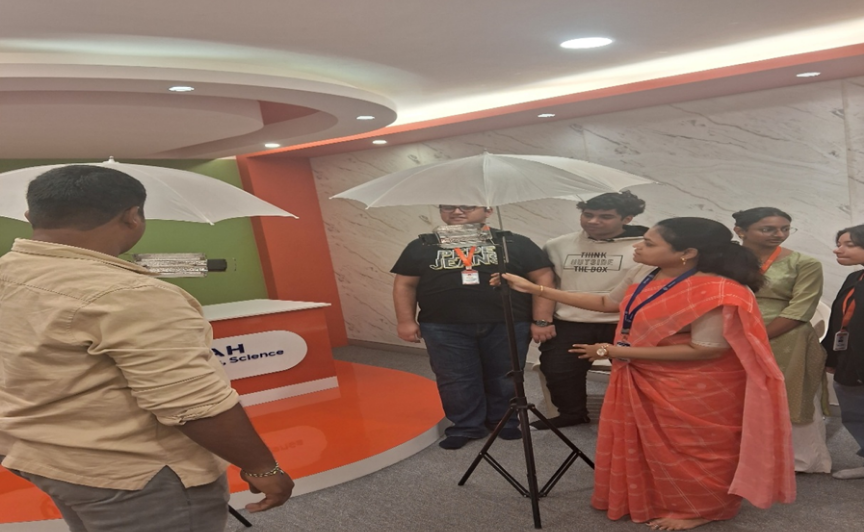
A strong journalism programme needs more than classroom instruction. At the BA Journalism department, students gain practical experience through 360+1, the college’s media team. This platform gives them the space to apply their theoretical learning in real time. Students cover major campus events, handle cameras, plan shots, write scripts, edit footage and upload finished stories. Through this routine, they learn the pace and discipline of newsroom work. Working with 360+1 also teaches teamwork, time management and editorial decision-making. Students understand how a story moves from an idea to a polished final product. They pick up technical skills in video production, but more importantly, they learn how to think like journalists. The experience builds confidence, improves storytelling skills and prepares them for internships and professional opportunities. By the end of the semester, students have a practical portfolio that shows their growth and readiness for the media industry.
Strengthening News Awareness with Daily Times of India Reading
The department encourages a strong news-reading habit by providing every student with a copy of The Times of India. This simple practice has a significant impact on their development as journalism students. Reading a national newspaper daily exposes them to clear writing, structured reporting and diverse news formats. It strengthens their understanding of political, social and global issues, helping them see how stories unfold and why they matter. Students also analyse headlines, leads and editorial styles, which improves their own writing. The habit has led to more opportunities, including industry visits and internships, as students are better prepared to engage with professional journalists. To acknowledge their consistency, the department gifted custom merchandise to all subscribers, encouraging them to continue the habit. Over time, this practice builds news literacy, sharpens judgment and shapes students into informed and responsible storytellers who stay connected to the world beyond the classroom.
Enhancing Student Well-Being Through Effective Counselling Cell Practices
A well-functioning psychology department upholds best practices that ensure ethical, student-centred, and evidence-based services. The counselling cell, as a core unit, emphasizes confidentiality, empathy, and non-judgmental support to foster emotional well-being among students. It maintains trained counsellors who follow standardized assessment and intervention procedures, provide crisis support, and ensure timely referrals when needed. Regular workshops on mental health awareness, stress management, and life skills help build a proactive support system on campus. The counselling cell also collaborates with faculty to identify students in need, maintains secure documentation, and continuously evaluates its services for quality improvement. By integrating professional ethics with student outreach, the department creates a safe and accessible environment that promotes holistic development.